![]()
Is a Digital SLR Right for You?
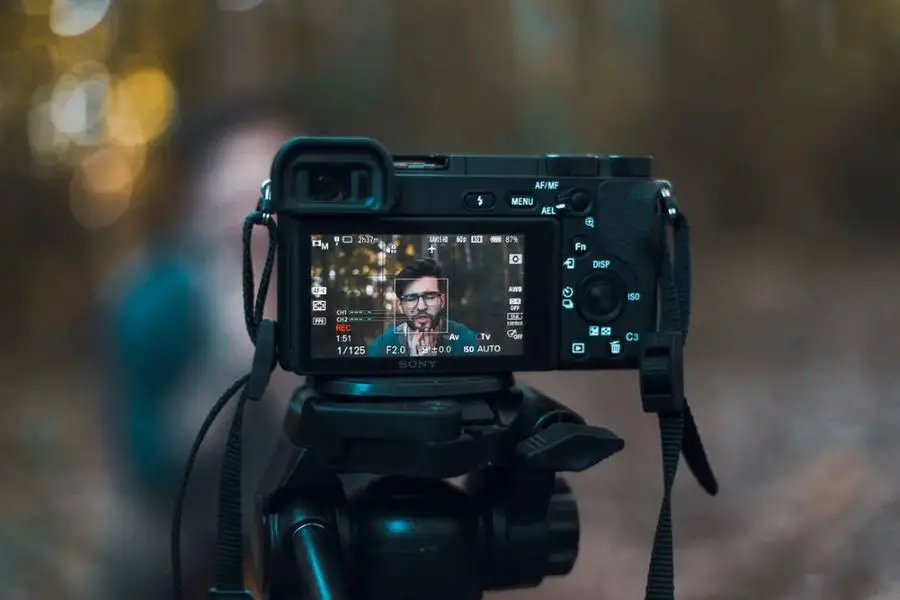
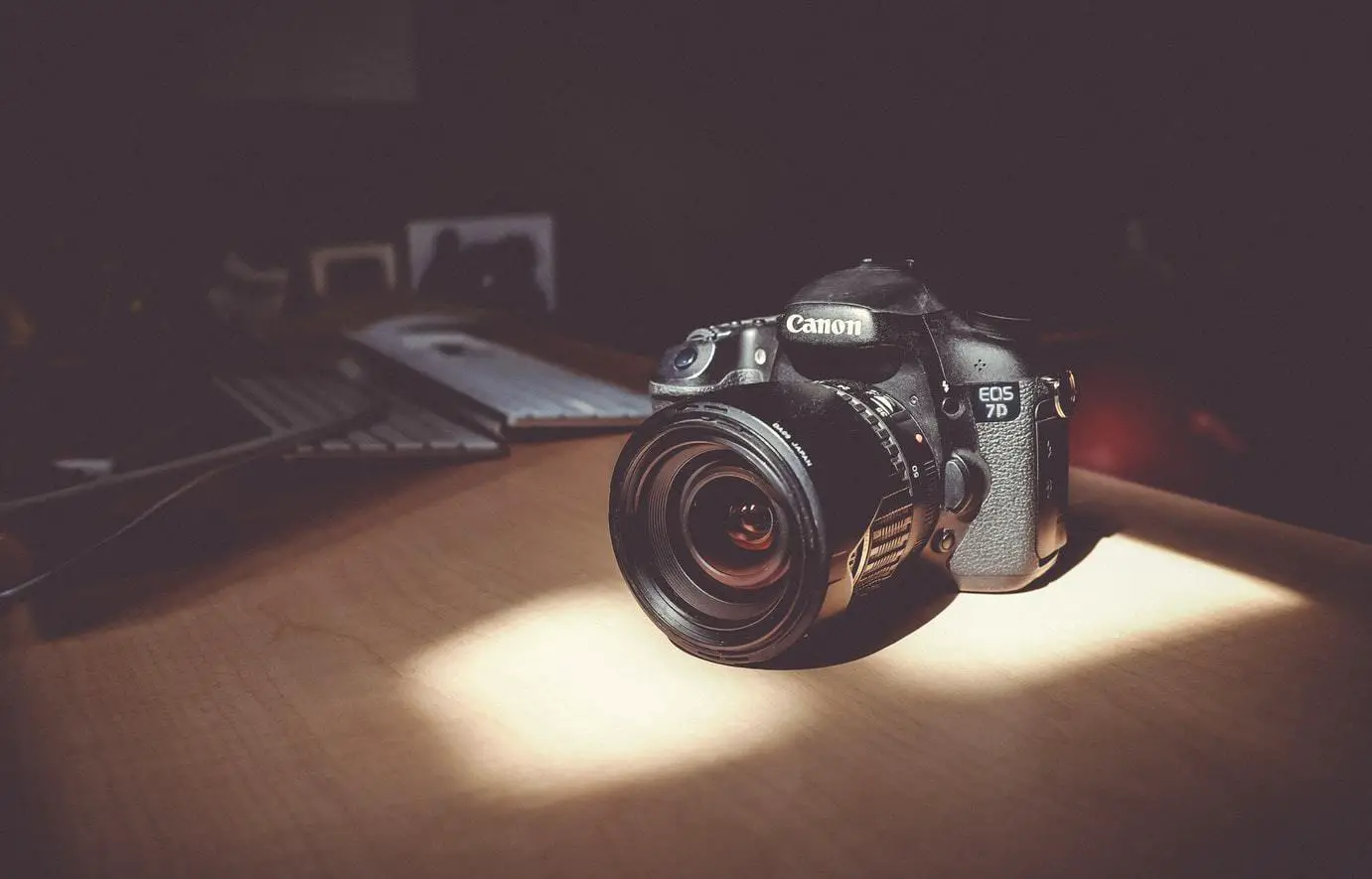
Digital cameras are quickly becoming the preferred medium for serious amateur and professional photographers. While digital Single Lens Reflex (SLR) cameras come at a higher price than their film counterparts (up to four to five times more!), many serious photographers are finding that their many benefits justify the extra expense.
Benefits of Single Lens Reflex
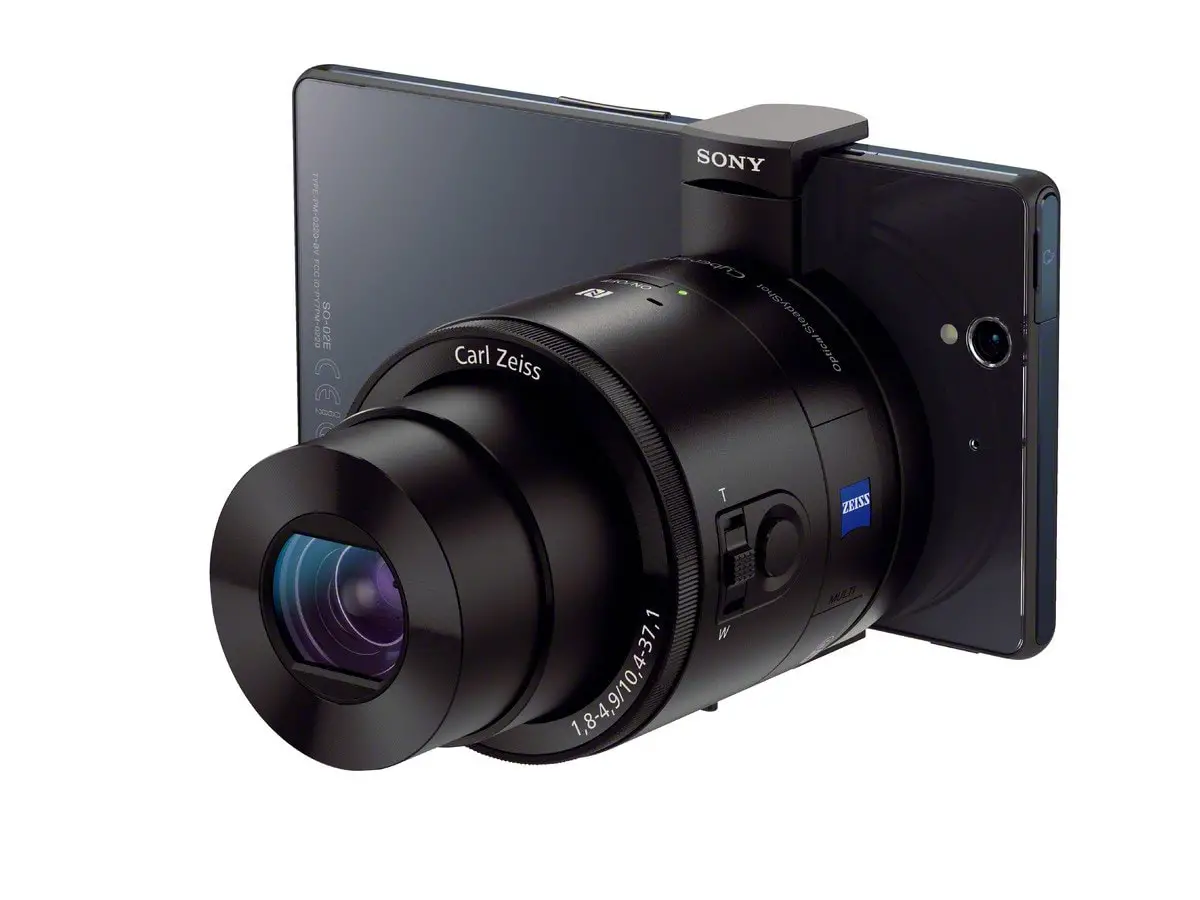
SLR cameras have two primary benefits compared to combined lens and body cameras:
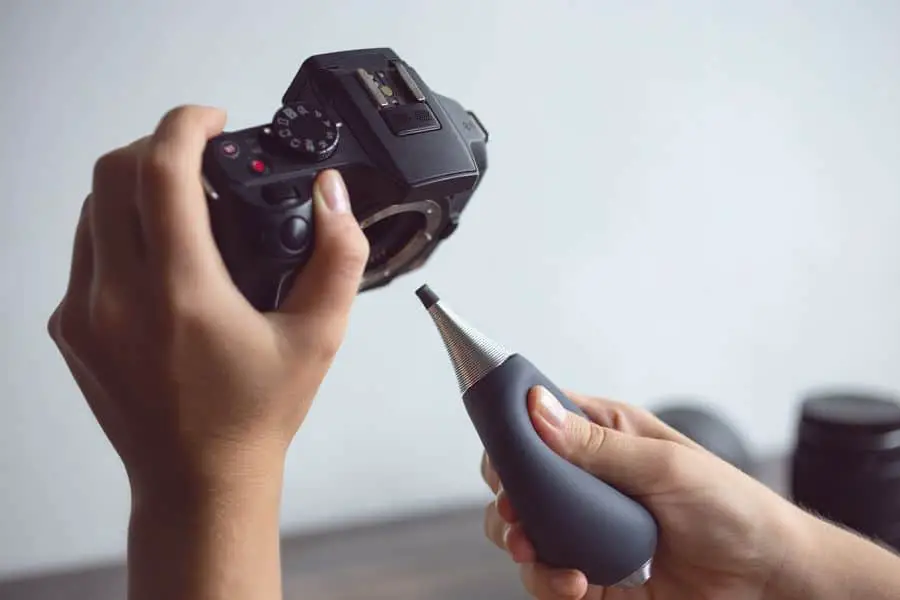
1. An SLR can accept multiple detachable lenses, each of which is designed for a specific purpose. Depending on their photographic needs, owners can attach wide-angle, portrait, telephoto, and other specialty lenses. These detachable lenses tend to have higher-quality optics, which make for sharper photos.
2. An SLR's viewfinder lets the owner see through the same lens as is used to take the image. Most attached-lens cameras use a viewfinder system, which provides the photographer with a separate window to compose and focus the image. Because of the different vantage point provided by a non-SLR viewfinder, the image the photographer sees can be different than the image that is recorded as the final photo. For serious photographers, an SLR's through-the-lens viewfinder provides a truer perspective.
Lenses and Digital SLRs
Most digital SLRs available today are designed to accept the same lenses as their film counterparts, which is a great benefit for photographers who already own a film SLR camera with one or more lenses.
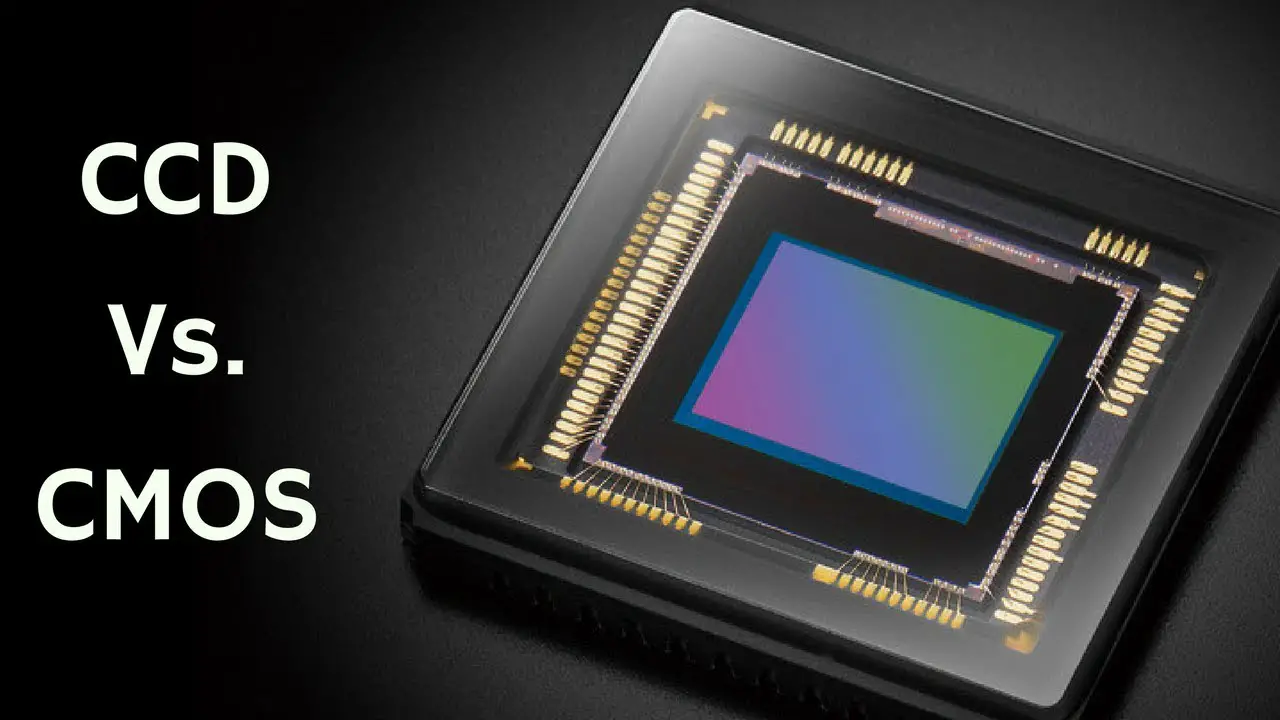
While swapping lenses is easy, there's an important thing to remember: While 35mm lenses are designed to project an image into a single 35mm frame, image sensor of a digital camera is only about 2/3 the size of a 35mm film frame. As a result, most current digital SLR's will multiply the focal length of a traditional lens by approximately 1.5. For example, a 50mm focal length lens put on a digital SLR will produce an image similar to that of a 75mm lens.
Is this a good thing? One reviewer happily reported that his 200mm telephoto lens now functioned as a 300mm lens, which would have cost a lot more. On the other hand, many photographers like to work with a wide angle lens, such as a 24mm, to capture large areas; attached to a digital SLR, this lens would lose its wide angle properties and become a 36mm lens.
Bottom line: The focal length multiplier issue is a mixed blessing. Long lenses will zoom further (a good thing to some photographers) while wide angle lenses will lose part of their ability to capture a full scene.
Recently, Canon and Kodak announced the first "full frame" Digital SLRs - these cameras have an image sensor that is the same size as a 35mm frame, solving the focal length multiplier issue. Unfortunately, they also sell for $8,000 and up!
Additionally, a number of camera manufacturers have announced plans to offer fully integrated digital SLR camera and lens solutions. Essentially, these new "digital lenses" will direct the image straight on to the image sensor, rather than at an angle, which is how traditional lenses direct the image.
The manufacturers claim that these new lenses will dramatically improve the quality of the images coming from digital SLR cameras. If so, it might make sense for serious photographers who are considering investing in a digital SLR to wait for these complete solutions to hit the market before making a purchase.
Buying Advice
So, is it worth making the switch to a digital SLR? Digital SLRs are more certainly more expensive than other digital cameras, but for photographers who already own expensive lenses, or who frequently use large quantities of film, they are undoubtedly worth the extra expense.
Budget-conscious buyers may be interested in the Canon Digital Rebel, which is currently the least expensive digital SLR. With many of the same features as the Canon EOS 20D, but at a much lower price, the Digital Rebel has been very popular among consumers since its release in the fall of 2003.
If you're not yet willing to spend the extra money for a digital SLR, but you still want a high quality digital camera with the controls of a film SLR, you should investigate advanced 5+ megapixel cameras currently available for between $500 and $700. With the exception of the detachable lenses, these models offer the creative control and flexibility previously only found in film SLRs.
For photographers who have a film SLR and who don't want a second camera, staying with film for a while isn't out of the question. Prices of high-end digital cameras will continue to fall, and full-frame SLRs will hopefully be more affordable soon. In the meantime, scanning your pictures to a CD will allow you to experience some of the benefits of digital photography, particularly the ability to work with images in the "digital darkroom" provided by image editing software.
Don't forget that digital photography is a completely different and better way of doing photography. Because film is "free" and images are instantly visible, it is possible to rapidly improve one's photographic skills. Coupled with the ability to edit images after the fact, digital technology provides the photographer with unlimited flexibility to make the most out of their pictures.
Digg it!
Bookmark it on Del.icio.us!
Vote for it on Reddit!